

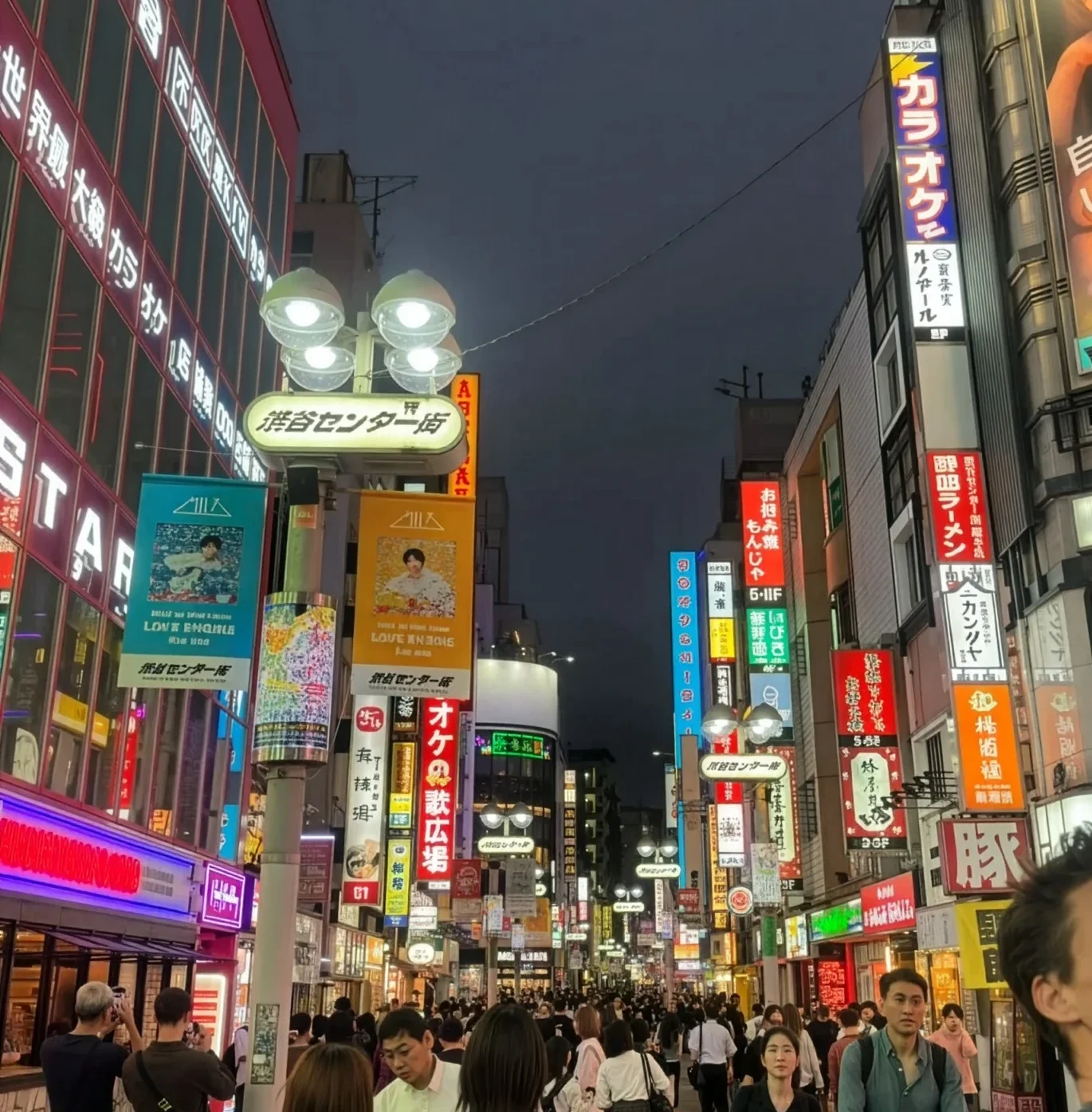
By Dr Lucy Smith and Caroline Hobday, Glass Futures
Our recent visit to Japan for the 11th International Congress on Ceramics provided an invaluable opportunity to not only meet with Glass Futures (GF) members and other key glass manufacturers but to discuss key issues shaping the future of the foundation industries.
Physical AI, digital twins & industrial expertise
We presented on our AI Glass project which brings together industrial data, advanced modelling and artificial intelligence (AI) to create a digital environment capable of assessing furnace performance, fuel switching, process changes and new formulations before physical trials begin. The development of our multi-physics furnace model, a real-time digital twin alongside immersive operator tools proves how digital technologies can accelerate innovation while reducing cost, risk and development time.
Beyond the digital furnace itself, we shared our vision for Physical AI, where connected robotic systems become intelligent extensions of industrial control systems, supporting everything from material handling and environmental monitoring to furnace inspections and predictive maintenance. The responses from delegates reinforced our belief that the combination of AI, digital twins and industrial expertise will play a pivotal role in the future of glass manufacturing and many other energy-intensive sectors.
Industry challenges that match those of the UK
Alongside the congress, we were honoured to visit AGC, Toyo Glass, Nihon Yamamura and the Japan Glass Bottle Association (JGBA), meeting industry leaders who are actively shaping the future of glass manufacturing.
What became clear throughout the trip was that, although technologies and markets differ across sectors and geographies, the challenges facing industry are remarkably similar. Decarbonisation, resource efficiency, digital transformation and supply chain resilience – all challenges that sit at the heart of our mission at Glass Futures.
The role of AI for scientific discoveries
A particularly striking theme was the growing role of AI in increasing scientific discoveries. Presentations from Satoshi Tominaka from the National Institute for Materials Science (NIMS)) and Seoin Back from Tokyo University of Science showcased how machine learning, autonomous experimentation and generative AI can significantly reduce the time and cost associated with materials and catalyst development.
However, the message was not that AI will replace scientists, but that the most effective approaches combine digital tools with human expertise, allowing researchers to make faster, better-informed decisions. This strongly aligns with our vision of creating smarter, data-driven R&D environments that help industry innovate more efficiently.
Circularity & alternative raw materials
Equally important were discussions around circularity and alternative raw material streams. Hiroyuki Inano from the Hokkaido Research Organisation and the Muroran Institute of Technology outlined research into photovoltaic panel recycling. He highlighted the challenges that contamination presents when recovering high-quality glass. As solar installations continue to grow globally, and installed panels come to the end of their lives, the industry must develop viable routes for recovering and reusing these materials at scale.
Aitana Tamayo from the Institute of Ceramics and Glass (CSIC) in Spain presented results from the use of black mass from battery recycling to demonstrate how future supply chains may look fundamentally different from today. Greater circularity is at the heart of our work at GF as we look to increase understanding of how secondary materials can be integrated into manufacturing without compromising product quality or process efficiency.
Decarbonisation needs more than one tech solution
The congress also reinforced an important lesson about decarbonisation, that there is no single technological solution. Daisuke Miyabe of NSG Group and Yoshio Iwatsubo of Nippon Electric Glass highlighted many strategies including cullet optimisation, renewable electricity, hydrogen, biofuels and hybrid furnace technologies. Similarly, Reinhard Conradt from uniglassAC GmbH showed analysis of furnace performance that reminded us that future melting technologies will be governed by the same thermodynamic principles as conventional systems.
The challenge, therefore, is not only the adoption of new technologies but also understanding how to deploy them effectively, economically and at scale. This systems-level thinking is central to the work we undertake, where emerging technologies can be tested and validated in an industrially relevant environment before commercial implementation.
Systems-level thinking, collaboration & knowledge exchange
Our visits to Japanese manufacturers reinforced many of these themes. Across every organisation there was a clear commitment to long-term innovation, operational excellence and carbon neutrality by 2050. We saw first-hand the value of bringing together industrial partners, researchers and technology providers to address shared challenges. These conversations highlighted significant opportunities for collaboration, knowledge exchange and future partnerships between Japanese industry and GF and its members.
Ultimately, the trip demonstrated that the transformation of the glass sector will depend on more than technological breakthroughs alone. Success will require international collaboration, open innovation and a willingness to rethink traditional approaches to manufacturing. The congress discussions and visits to glass producers and industry bodies reaffirmed the importance of GF and our role as a collaborative innovation hub in the UK. What’s more it has validated our strategic direction and given us fresh inspiration for the next generation of research and industrial partnerships.
If you’d like to find out more about our Japanese visit or discuss how GF could help you, please contact lucy.smith@glass-futures.org
Acknowledgements
Glass Futures is grateful to the Great Britain Sasakawa Foundation for their financial support enabling this trip to take place. Caroline and Lucy would specifically like to thank Natalie Broad for her help with the application process and Mr Iwamoto for his hospitality during the trip.