

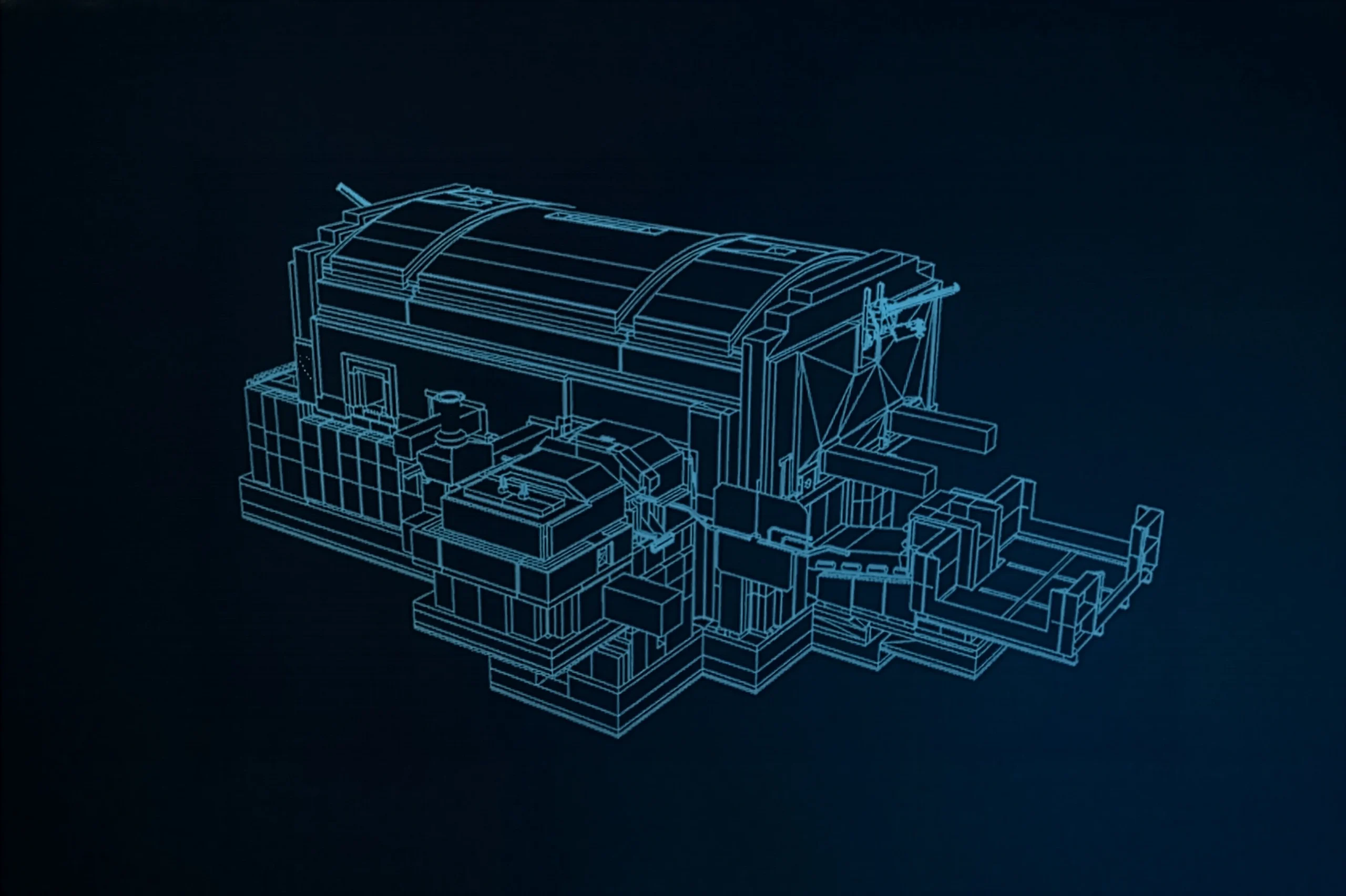
Digital twins promise huge potential for manufacturing, but their real value comes from data, connectivity and AI, not just visualisation. In this latest article, Glass Futures explores how manufacturers can unlock practical benefits from digital twins and build the digital foundations needed to make them work.
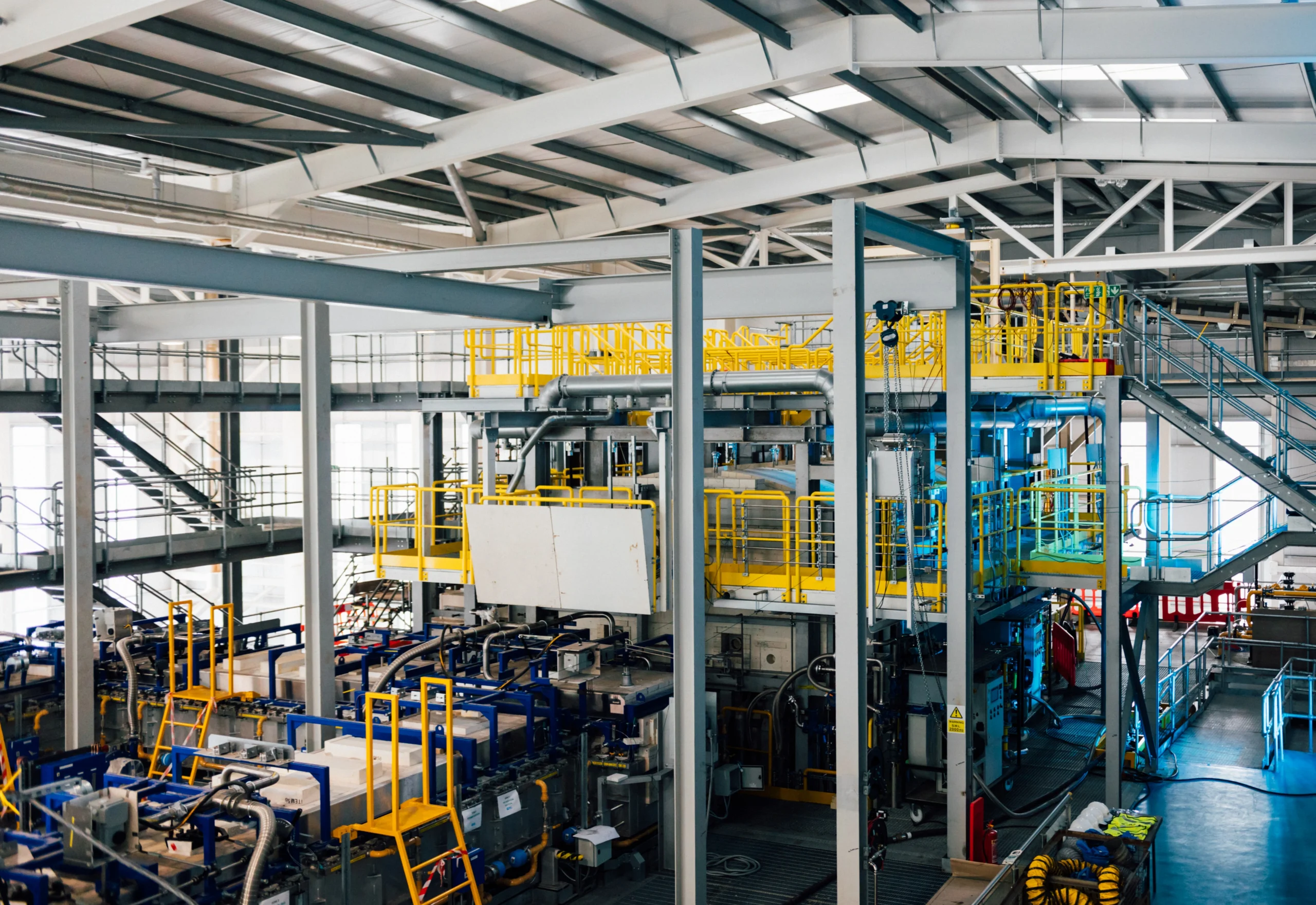
France’s growing investment in hybrid glass furnaces demonstrates how innovation can support decarbonisation, energy security and industrial competitiveness. In this article, Glass Futures’ Head of Innovation, Rob Ireson, explores what the UK can learn from France and how technologies such as electrification and AI-driven furnace control could help strengthen the future of British manufacturing.
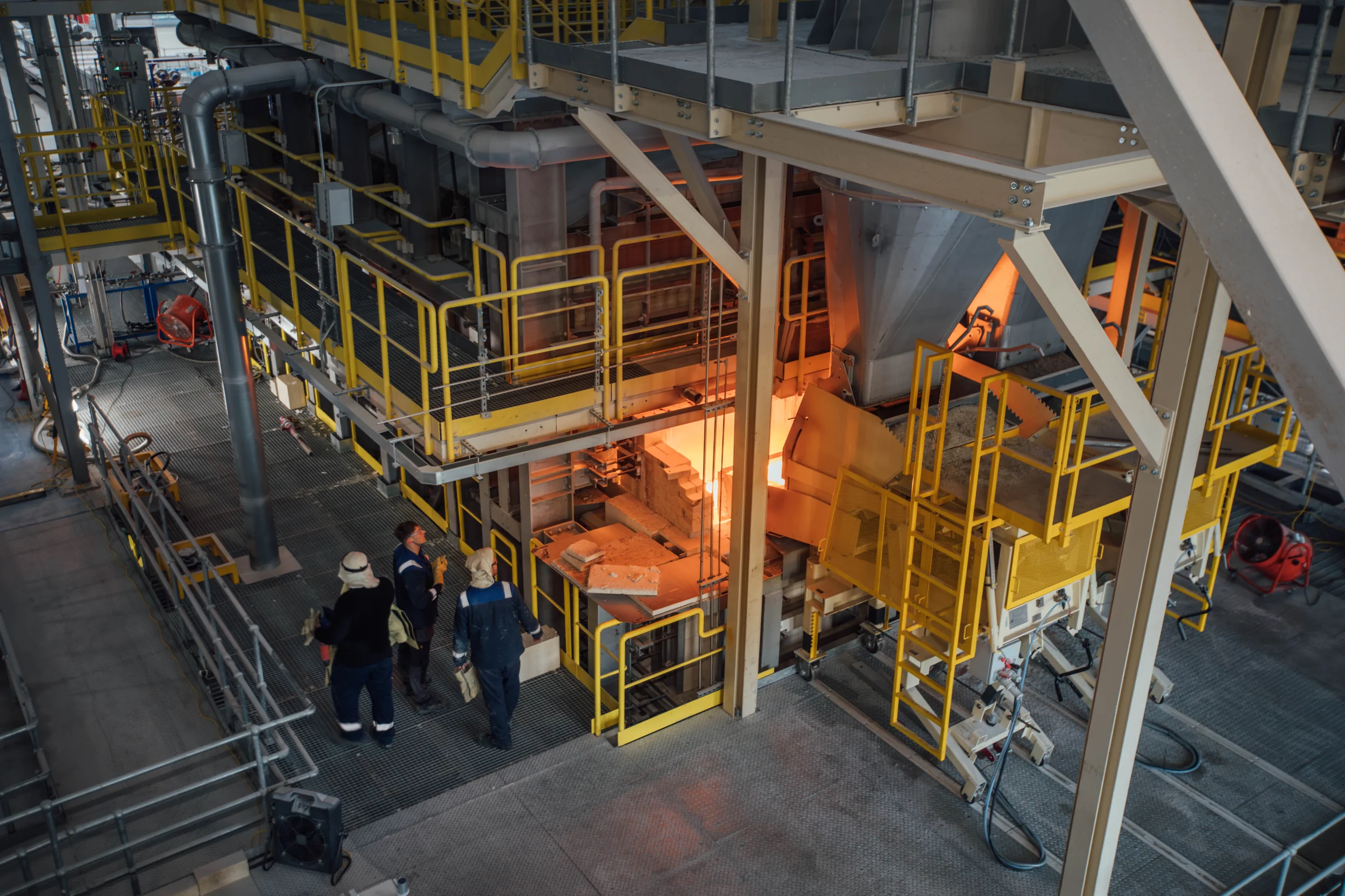
Drawing on industrial fuel-switching trials, Dr Palma González García explores six key lessons for manufacturers transitioning to lower-carbon energy sources. The article highlights why successful decarbonisation requires more than simply changing fuel, with process performance, operator readiness, technology selection and investment evidence all playing a critical role.

What does the future of glass manufacturing look like? During a recent visit to Japan, Glass Futures explored how AI, digital twins, advanced materials research and international collaboration are helping industry tackle decarbonisation, improve efficiency and accelerate innovation across the sector.

In this thought piece, Lucy Smith and Caroline Hobday explore five key themes shaping industrial transformation in both countries, from decarbonisation and AI to collaboration and circularity, highlighting how Japan’s systems-thinking approach could offer valuable lessons for the future of UK manufacturing.
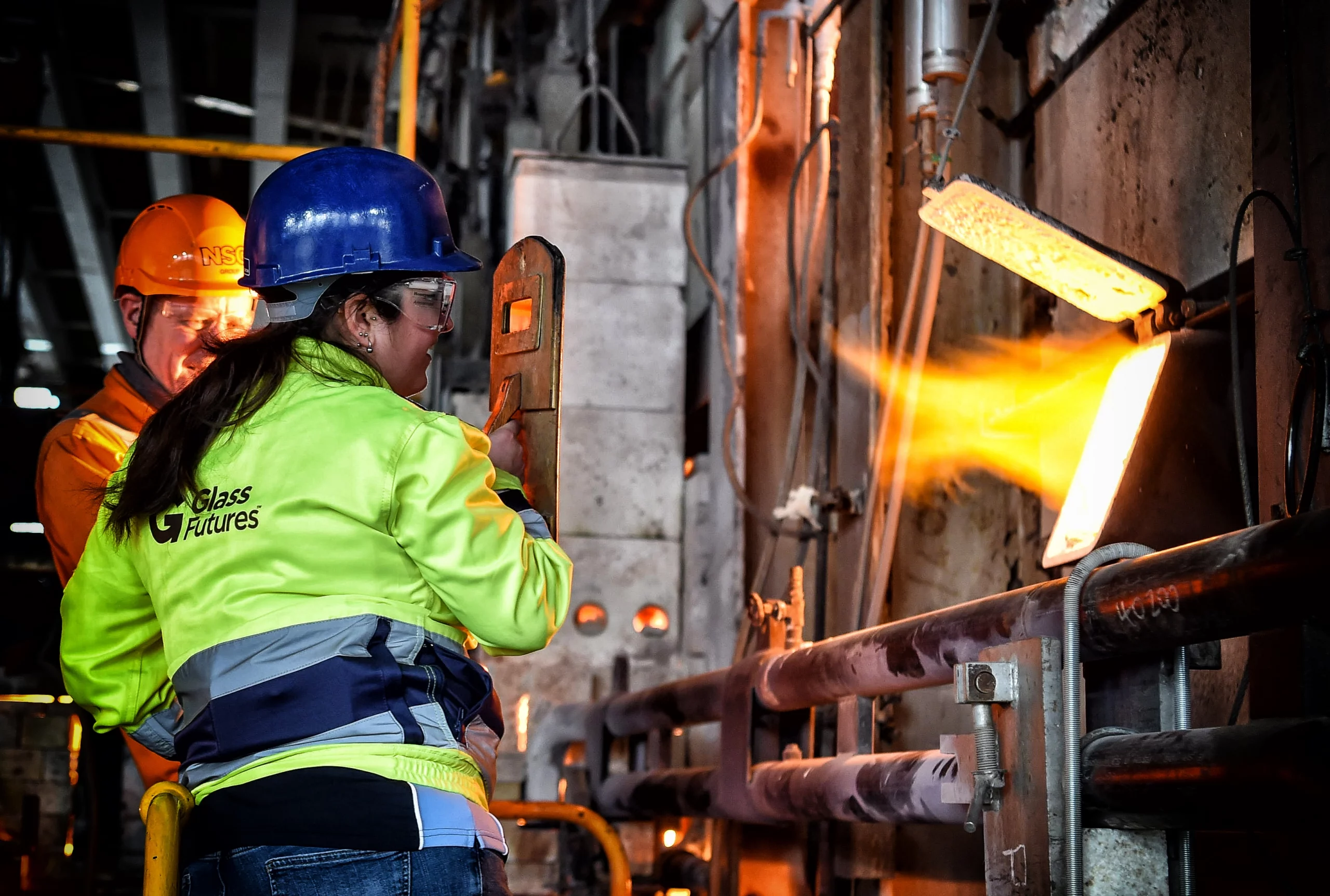
We explore the diverse and often unexpected paths women take into engineering. From different backgrounds and disciplines, these stories highlight how curiosity, resilience, and unique perspectives drive innovation and help reshape the future of the industry.
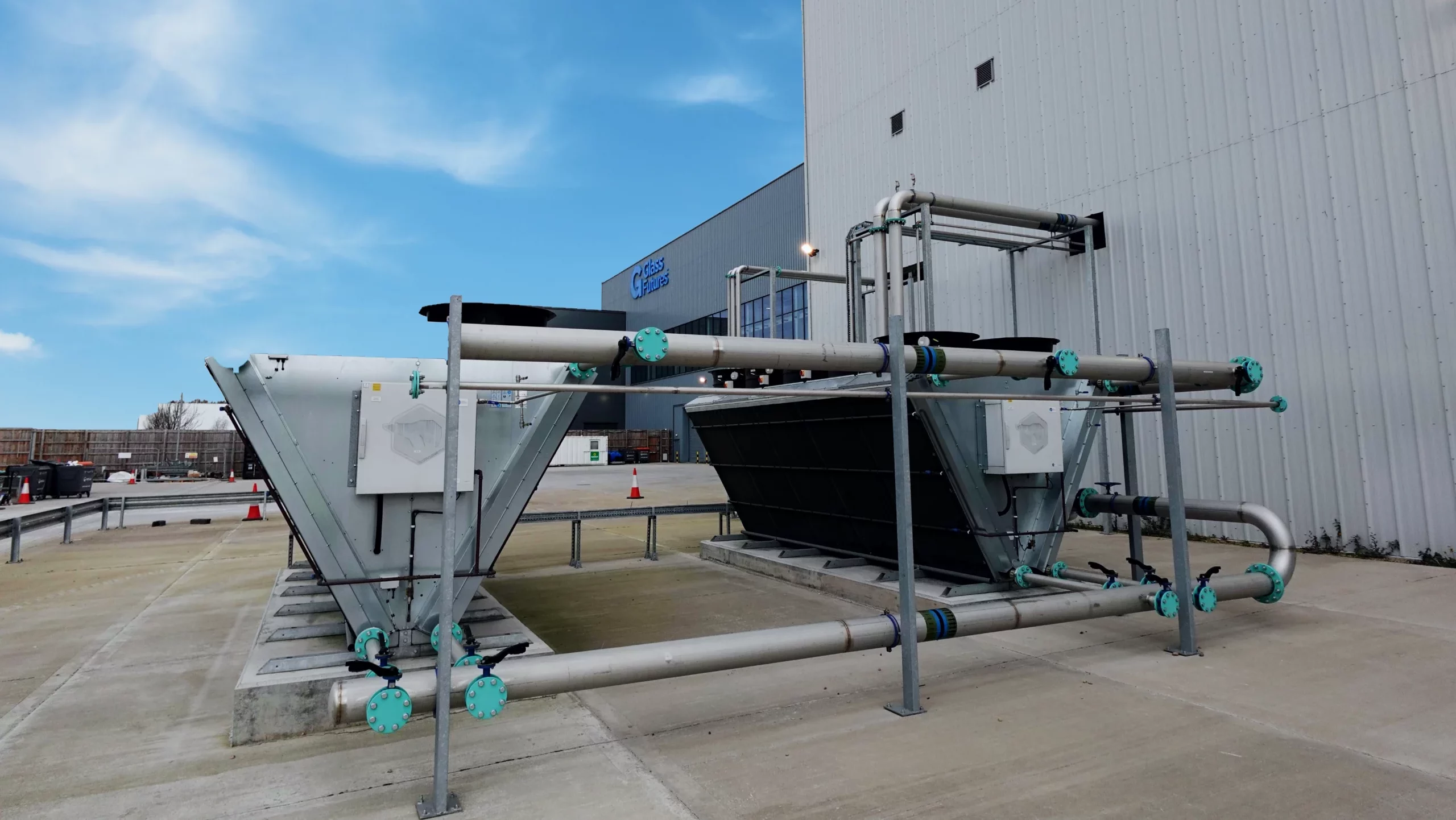
Through an Innovate UK Business Growth project, anomalyseTM worked with GF to implement an advanced monitoring solution capable of detecting subtle, multivariate deviations in system behaviour while integrating seamlessly with the existing Siemens automation infrastructure.
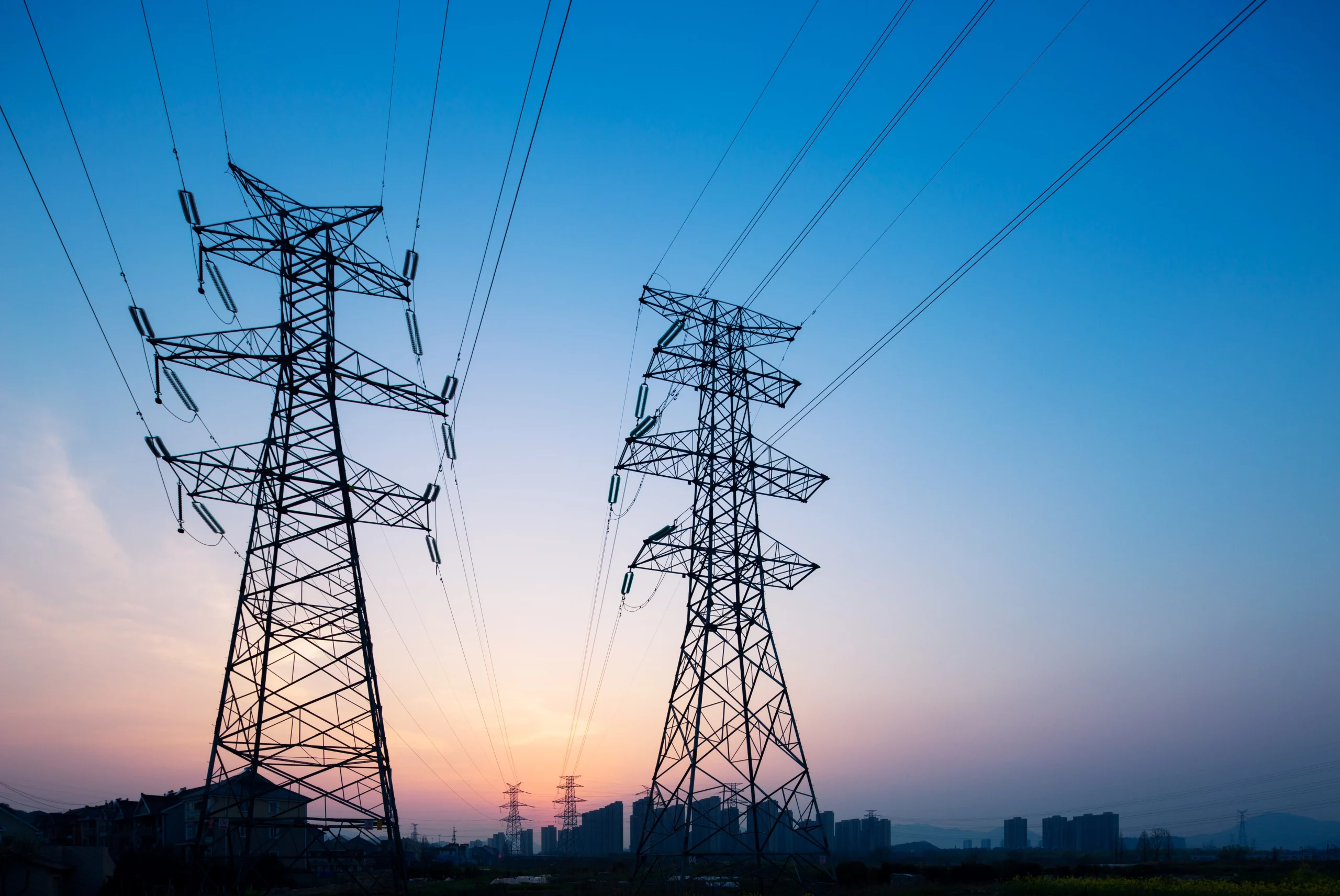
Electrifying Glass Manufacturing: RaD‑Electric is demonstrating how high‑capacity electric‑boosting—backed by £6M from DESNZ and delivered with Guardian Glass and Encirc—can cut the glass sector’s reliance on natural gas, slash emissions, and pave the way for cleaner, more efficient UK furnaces.

Glass Futures’ Dr Sarah Harrold highlights how glass—durable, endlessly recyclable, and increasingly high‑tech—is becoming a cornerstone material for a net‑zero economy, with innovation in low‑carbon manufacturing, smart glazing, connected packaging, and circular design positioning the sector for major growth in the decade ahead.
